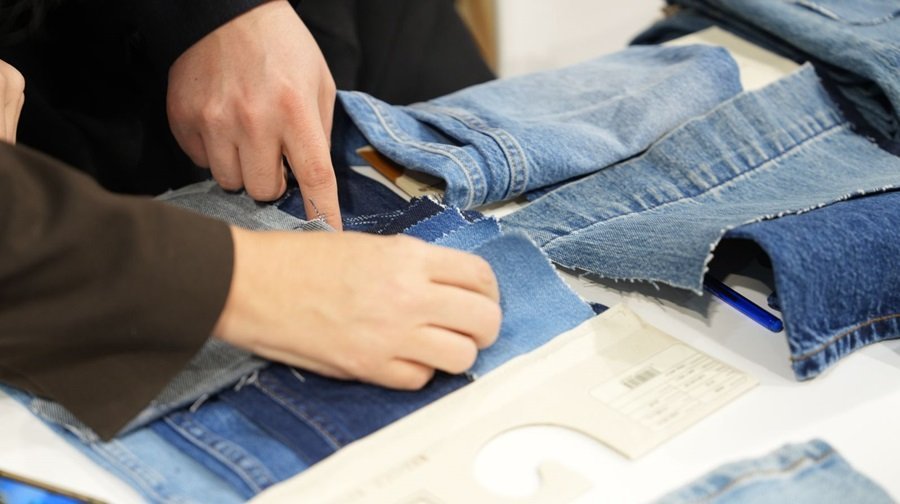
Denim is more than just a timeless cornerstone of fashion; it is a fabric that continues to evolve through technology, comfort, and sustainability. Today, denim fabrics are no longer limited to classic jeans-they are widely used in shirts, technical apparel, outerwear, and lifestyle products.
At the heart of this diversity lie different types of denim fabrics and their distinct technical characteristics. In this article, we take a comprehensive look at the most commonly used denim types, including woven denim, knitted denim, stretch denim, and next-generation alternatives.
What Is Denim Fabric? A Brief Definition
Denim is traditionally a durable cotton fabric produced using the twill weaving technique, with indigo-dyed warp yarns and white weft yarns. However, with modern production technologies, denim has evolved into a much more flexible, lightweight, and functional fabric category.
1. Woven Denim
The Foundation of Classic Denim
Woven denim is the most traditional and widely used type of denim fabric. Thanks to the twill weaving technique, the fabric surface features its characteristic diagonal rib pattern.
Key Characteristics
- High durability
- Long-lasting wear
- Firm and structured appearance
- Develops character over time
Subtypes
- Raw Denim: Unwashed, rigid, and natural in appearance
- Selvedge Denim: Premium-quality denim produced on narrow looms
- Rigid Denim: Classic denim structure with no elastane content
Common Applications
- Jeans
- Jackets and coats
- Workwear and outerwear
Woven denim is especially preferred by premium and heritage brands.
2. Knitted Denim
Comfort-Driven Next-Generation Denim
Knitted denim maintains the visual appearance of classic denim while offering greater flexibility and comfort through knitting technology. Structurally, it uses a knitted construction instead of weaving.
Key Characteristics
- High elasticity
- Lightweight and soft hand feel
- Better body adaptation
- All-day comfort
Advantages
- Provides freedom of movement
- Ideal for athleisure and casual wear
- Offers low-weight fabric alternatives
Common Applications
- Skinny and slim-fit garments
- Everyday casual wear
- Active lifestyle-oriented collections
Knitted denim is becoming increasingly popular due to consumer demand for comfort-focused apparel.
3. Stretch Denim
Balancing Flexibility and Shape Retention
Stretch denim is produced by incorporating elastic fibers such as elastane, spandex, or Lycra into the fabric structure. The goal is to provide ease of movement while maintaining the garment’s shape.
Key Characteristics
- Flexible structure
- Shape retention
- Lighter and thinner fabric options
- Body-contouring performance
Types by Stretch Ratio
- Low Stretch: 1-2% elastane
- Medium Stretch: 2-3% elastane
- High Stretch / Super Stretch: 4% elastane or more
Common Applications
- Skinny-fit and body-fit designs
- Women’s denim collections
- Modern urban wear
Stretch denim is currently one of the most commercially successful denim fabric types.
4. Hybrid Denim (Woven + Knitted Combinations)
Woven Look, Knitted Feel
Hybrid denim fabrics combine the aesthetic appearance of woven denim with the comfort of knitted technology.
Advantages
- Classic woven denim appearance
- Knitted denim comfort
- High flexibility and lightweight structure
These fabrics are especially suitable for:
- Premium casual brands
- Travel and everyday wear products
5. Sustainable and Next-Generation Denim Fabrics
Denim fabric technologies are now being developed not only for performance, but also with the goal of reducing environmental impact.
Key Innovations
- Recycled cotton denim
- Denim blended with TENCEL™ and lyocell fibers
- Hemp (hemp fiber) and organic cotton blends
- Dyeing technologies that reduce water and chemical usage
These fabrics are increasingly becoming standard in European and North American markets.
6. What to Consider When Choosing Denim Fabric
For Manufacturers
- Fabric weight and yarn structure
- Compatibility with washing and finishing processes
- Certifications (GOTS, OEKO-TEX, GRS)
For Brands and Designers
- Collection concept
- Target customer profile
- Intended use and performance expectations
For Buyers
- Durability
- Comfort
- Sustainability certifications
Denim Fabrics Are No Longer One-Dimensional
Today, denim has evolved from a single fabric type into a multi-layered product category. Woven, knitted, stretch, and next-generation sustainable denim fabrics are shaped by diverse use cases and changing consumer expectations.
This diversity offers manufacturers and brands the opportunity to create more innovative, functional, and sustainable collections.
The future of denim continues to move forward at the intersection of technology, comfort, and responsibility.