Reflections of Turkish Textile Heritage in the World of Fashion
Turkish textiles are not merely a production practice; they represent a deeply rooted cultural heritage where history, aesthetics, and craftsmanship are intricately intertwined. Like warp and weft threads locked together, this heritage tells a multi-layered story stretching from Central Asia to Anatolia, from Ottoman palaces to today’s global fashion scene. As one of the most valuable stops along the Silk Road, Anatolia transformed fabric from a basic necessity into a symbol of power and representation for centuries. Today, this accumulated legacy has become a dynamic source that continues to nourish the language of contemporary fashion.
Historical Foundations of Turkish Textiles from the Ottoman Era to Today
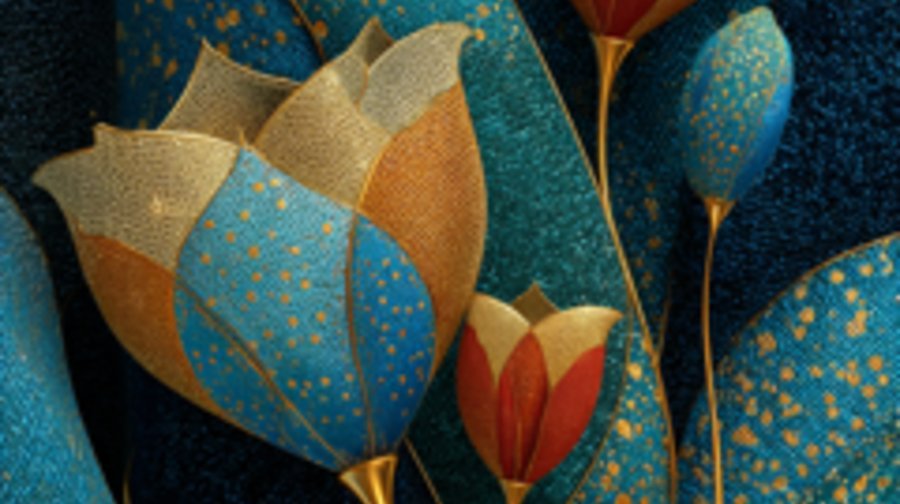
During the Ottoman period, textiles were a strategic field that reflected both the splendor of the court and the economic power of the empire. Silks produced in Bursa, along with kaftans and brocade fabrics, captivated not only sultans but also the European aristocracy. Weaving and dyeing techniques developed in palace workshops, combined with motifs such as tulips, carnations, and rumi patterns, gave Turkish textiles a distinctive identity. Over centuries, this aesthetic approach was further enriched through the blending of local weaving traditions across different regions of Anatolia.
Motifs, Colors, and Techniques: Cultural Identity Woven into Fabric
In Turkish textiles, motifs are not mere decoration; they are a form of storytelling. Geometric forms in kilims, curves inspired by İznik tiles, and palace patterns function as visual codes of cultural memory. Indigo blues, deep reds, and earthy tones obtained through natural root dyes offer both durability and a timeless aesthetic. Today, these techniques are being rediscovered through the lens of sustainable fashion, providing powerful answers to the growing demand for natural and environmentally responsible production.
Contemporary Fashion and the Sustainability Perspective
The modern fashion world is moving away from a speed- and consumption-driven structure toward roots, authenticity, and ethical production. At this point, Turkish textiles hold a strategic advantage. Organic Aegean cotton, Anatolian wools, and traditional silk production form the foundation of collections that are both high-quality and sustainable. Contemporary designers are carrying Turkish textiles onto the global stage by combining ancestral techniques with modern cuts and innovative forms.
Texhibition Istanbul: Tradition on the Global Stage
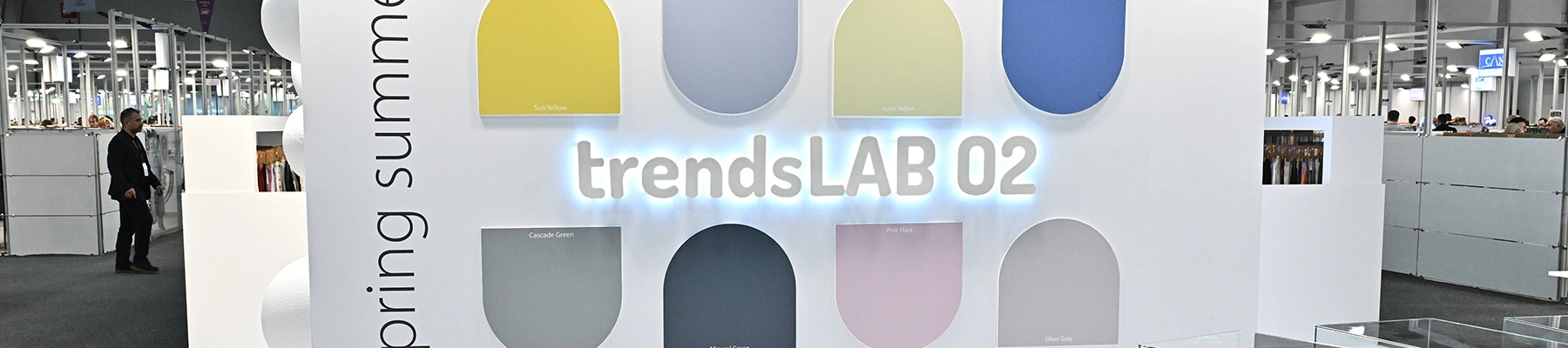
One of the most important platforms where this deep-rooted heritage meets contemporary interpretations is Texhibition Istanbul. Texhibition is not merely a trade fair; it is a strategic showcase that presents the historical depth, design strength, and innovation capacity of the Turkish textile industry to the world. The collections exhibited clearly demonstrate that tradition is not a burden, but rather a key driver of progress. Motifs inspired by the Ottoman era merge with modern fashion sensibilities to give life to next-generation designs.
A Textile Renaissance from Past to Future
Turkish textiles are not a relic left behind on the dusty shelves of history; they are a living force that actively influences the direction of contemporary fashion. When craftsmanship, cultural depth, and modern design converge, the resulting value creates a meaningful global impact. As Texhibition Istanbul illustrates, a well-balanced relationship with tradition opens the door to designs that transcend seasons, geographies, and time itself. Turkish textile heritage will continue to be one of the enduring sources of inspiration for the fashion World today and in the future.